Trust & Accessibility
BUILDING
WHEELCHAIR RAMPS – STAIRLIFTS – BATHROOM MODIFICATIONS
Trust is just one of the things we build well.



What We Do
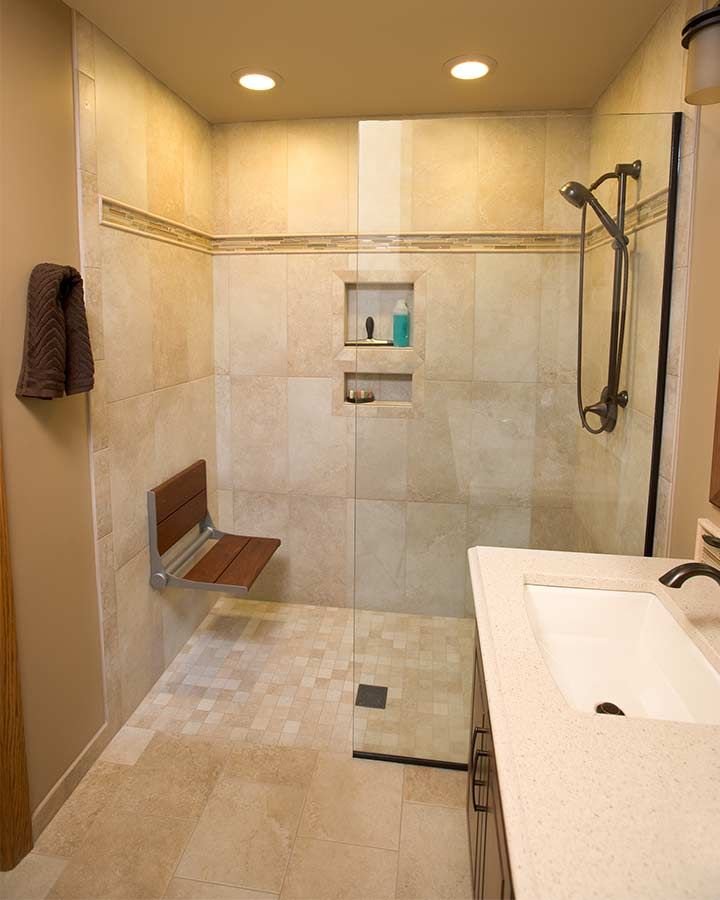
Mobility Construction specializes in custom wheelchair ramps, stair lifts, handicap bathrooms, and all your home accessibility and modification needs.
Your One-Stop Accessibility Solution Serving All of NJ!
Modular Ramp in Freehold, New Jersey
We have over 20 years of experience serving NJ and offer dependable service to families with disabilities and elderly wanting to live in the comforts of their own home. Our team of contractors are dedicated to quality customer service and will take care of all of your home remodeling needs from start to finish.
Are you looking for a Ramp in Freehold, New Jersey? Want to learn more about our mobility aids? Watch our short video to see how we can help!

Our Work
We believe our work speaks for itself. Here are samples of our recent projects:
-

Ramp Systems
-

Accessible Bathrooms
-

Elevators & Lifts
-
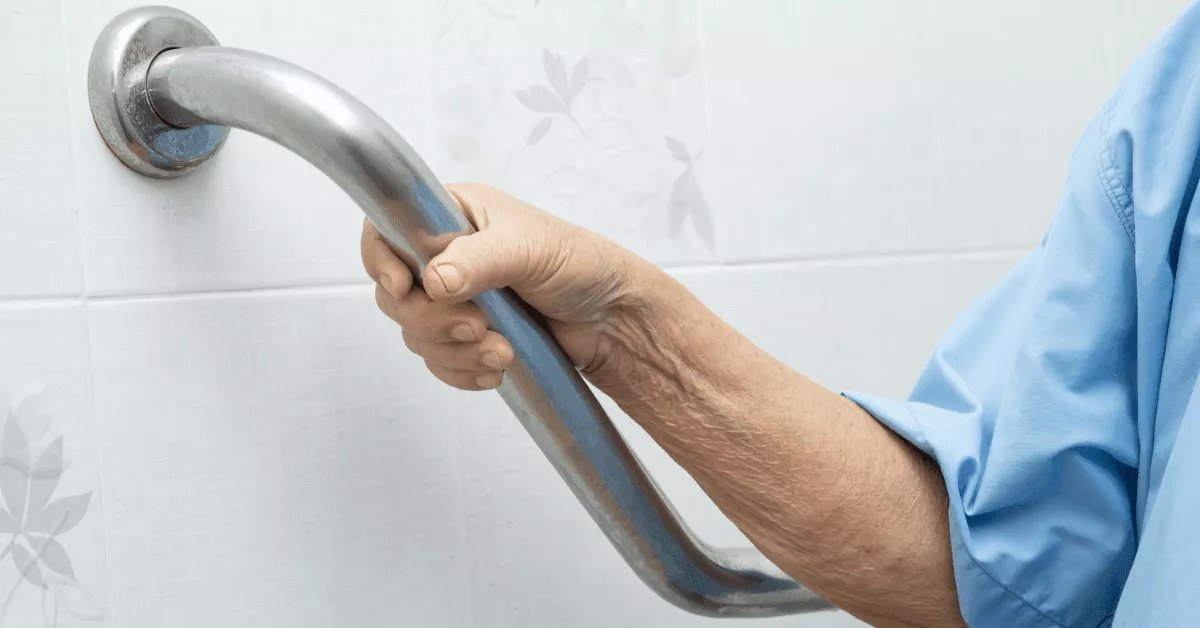
Home Modifications
WHY CHOOSE US?
Since 1988, Mobility Construction has been providing wheelchair accessibility evaluations and contracting for homes, apartments, condos, and public work sites with a concentration in the New Jersey, New York, and Pennsylvania area.
25
Years Experience in Construction
2338
Happy Customers
564
Ramps Built
20
Years in the Accessibility Industry

How We Do It
We are a turnkey operation that handles architectural drawings, variance, permit applications, and all construction trades. Getting accessibility should be as easy as 1-2-3!

1. FREE ESTIMATE
We’ll meet at your home and discuss all your needs so we can come up with various options and designs that we recommend. We can install something as simple as a grab bar, a stairlift, a Ramp in Freehold, New Jersey, or can change an entire house to be wheelchair accessible.

2. SIGN CONTRACT
We’ll meet at your home and discuss all your needs so we can come up with various options and designs that we recommend. We can install something as simple as a grab bar, a stairlift, a Ramp in Freehold, New Jersey, or can change an entire house to be wheelchair accessible.

3. INSTALLATION
Our team will be on site on the scheduled day to complete your project. We’re a full service home improvement company capable of performing large renovations along with smaller one day projects.
What Our Client Says About Us
-
![]()
I would like to thank you and Pete and his team for a great job at a reasonable price. I have recommended you to Rich and Inbar Robbins, the president and school director, respectively, of the Perrineville Jewish Center, of which we are members. There is a need for a ramp there so that people like my wife and I can attend services.
Michael T.
-
![]()
I'm a resident of one of the Residential health care facility in Freehold, NJ. I have Parkinson's and I love my living arrangement but I have a hard time going in and out of the facility every time I have an episode. A wooden ramp put in by Mobility Construction in front of the house made it so easy for me to be able to go in and out of this place I call "home".
Anthony P.
-
![]()
I was a frantic, nervous wreck. My parents had an accident and will be coming out of the hospital sooner than I thought. After talking to Mobility, I was able to focus my thoughts. They guided me through the process of receiving a post op parent. They assessed all of our environmental needs. Rank A++ for customer service.
Lindsey Beumer